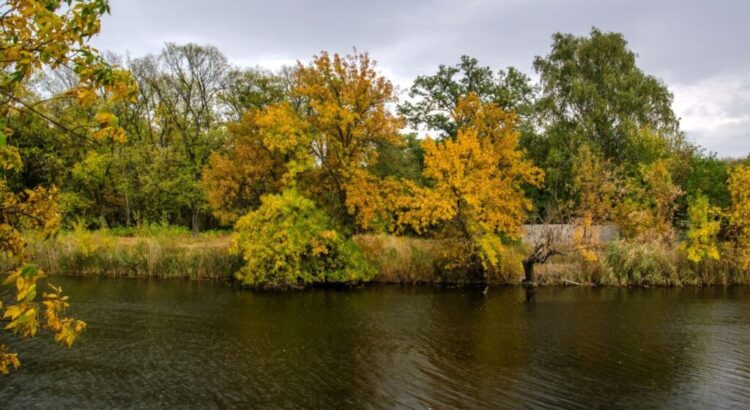
Trees along rivers are very important for maintaining the health of aquatic ecosystems and surrounding landscapes. Not only do they provide a natural function, trees compliment the beautiful scenery in rivers.
The placement along a river provides numerous benefits, including improving water quality, supporting wildlife habitats, mitigating floods, and enhancing climate resilience. One of their most important roles is preventing erosion and stabilizing riverbanks. Tree roots anchor the soil, reducing erosion caused by flowing water and preventing sediment from entering the river. This stabilization is crucial for maintaining water quality and protecting aquatic life. Additionally, riparian trees act as natural filters by absorbing excess nutrients like nitrogen and phosphorus from agricultural runoff. They also trap sediments and pesticides, further improving water quality.
There is also substantial benefit to the wildlife in the area. The shade provided by tree canopies helps regulate water temperature, which is vital for temperature-sensitive species such as trout and salmon. Cooler water holds more dissolved oxygen, creating healthier aquatic ecosystems. Trees along rivers also provide shelter and food for a wide range of wildlife, including birds, insects, and fish. Fallen branches and woody debris contribute to the creation of habitats for aquatic creatures while stabilizing the riverbed. The wildlife, in and out of the water, truly need trees for their survival.
People also enjoy benefits of trees. Beyond their ecological benefits, riparian trees enhance recreational opportunities such as fishing, birdwatching, and picnicking while adding aesthetic value to local communities. Plus, a tall sturdy tree is essential for a rope swing to jump into the river. In the Southeast, when the weather is hot and the rivers are cool, the recreation season is longer than most parts of the country.
There are situations where tree removal becomes necessary. Dead or diseased trees can pose safety hazards because they are prone to falling during storms or high winds. Removing these trees prevents potential damage to property or injury to people nearby. Invasive tree species can disrupt local ecosystems by outcompeting native vegetation along riverbanks. In the Southeast, such as Tennessee, Alabama, and many other states, the emerald ash borer is attacking ash trees, so their safe removal helps prevent infestation. According to a professional tree removal service in Huntsville, cutting trees down is often necessary to restore biodiversity and protect native wildlife. Trees that grow too close to homes or other structures may cause damage through root intrusion or falling branches, necessitating removal by trained arborists.
In some cases, tree removal is part of stream restoration projects aimed at improving water flow or groundwater quality. While this may temporarily disrupt the ecosystem, it often leads to long-term benefits such as reduced flooding and improved habitat conditions. Additionally, storm-damaged trees with broken limbs or unstable trunks require immediate removal to prevent accidents or further damage.
Hiring professional tree services is essential when removal is necessary because the process can be complex and dangerous without proper expertise and equipment. Certified arborists assess the health of trees and determine whether removal is required based on factors like structural integrity or ecological impact. They adhere to safety standards and local regulations regarding tree removal permits while ensuring minimal disruption to surrounding areas. For invasive species management or large-scale restoration projects, professionals play a key role in achieving conservation goals.
Trees along rivers are indispensable for sustaining healthy ecosystems by stabilizing banks, filtering pollutants, supporting wildlife habitats, regulating water temperature, and mitigating floods. However, when trees become hazardous or invasive, professional removal ensures safety while preserving ecological balance—highlighting the importance of thoughtful management in maintaining thriving riparian zones.